Archives
- 2026-10
- 2026-09
- 2026-08
- 2026-07
- 2026-06
- 2026-05
- 2026-04
- 2026-03
- 2026-02
- 2026-01
- 2025-12
- 2025-11
- 2025-10
- 2025-09
- 2025-03
- 2025-02
- 2025-01
- 2024-12
- 2024-11
- 2024-10
- 2024-09
- 2024-08
- 2024-07
- 2024-06
- 2024-05
- 2024-04
- 2024-03
- 2024-02
- 2024-01
- 2023-12
- 2023-11
- 2023-10
- 2023-09
- 2023-08
- 2023-07
- 2023-06
- 2023-05
- 2023-04
- 2023-03
- 2023-02
- 2023-01
- 2022-12
- 2022-11
- 2022-10
- 2022-09
- 2022-08
- 2022-07
- 2022-06
- 2022-05
- 2022-04
- 2022-03
- 2022-02
- 2022-01
-
Atypically BcALDH has a minor reducing
2023-07-28
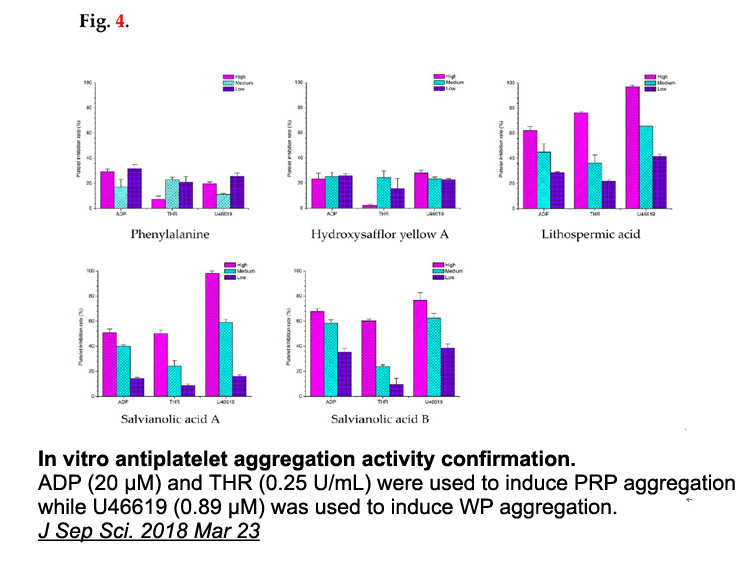
Atypically, BcALDH has a minor reducing activity for all-trans-retinal, which requires the binding of the reduced form of the NADP+ (NADPH) cofactor that is a side-product of the canonical oxidation activity of BcALDH. The reduction activity that converts all-trans-retinal to all-trans-retinol was r
-
br Materials and methods br Results br Discussion Wound
2023-07-28

Materials and methods Results Discussion Wound healing of the human cornea is a complex process that requires cell migration and proliferation. Corneal wound healing is characterized by major changes in the composition of the ECM such as a massive transitory secretion of fibronectin combine
-
NSC127716 AhR was proven to participate in
2023-07-28
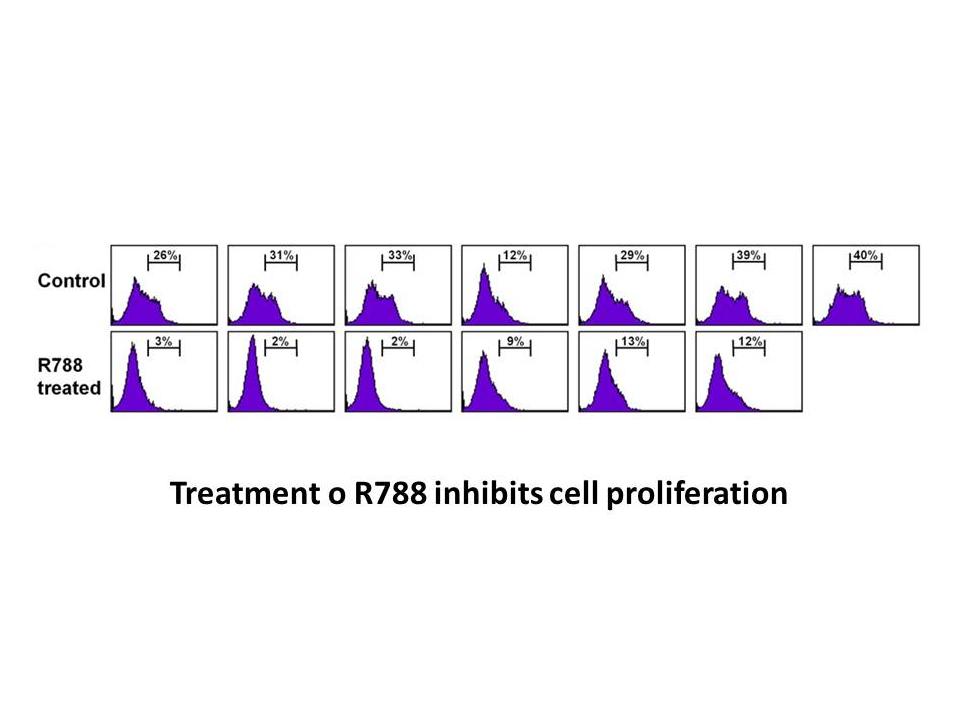
AhR was proven to participate in carcinogenesis. Its high expression was demonstrated in a variety of tumors, i.e. pancreatic, prostate, urinary tract, lung and papillary thyroid carcinoma (Safe et al., 2013, Mian et al., 2014). However, cell line studies showed variable AhR levels/responses. AhR kn
-
Mt a known to be
2023-07-28
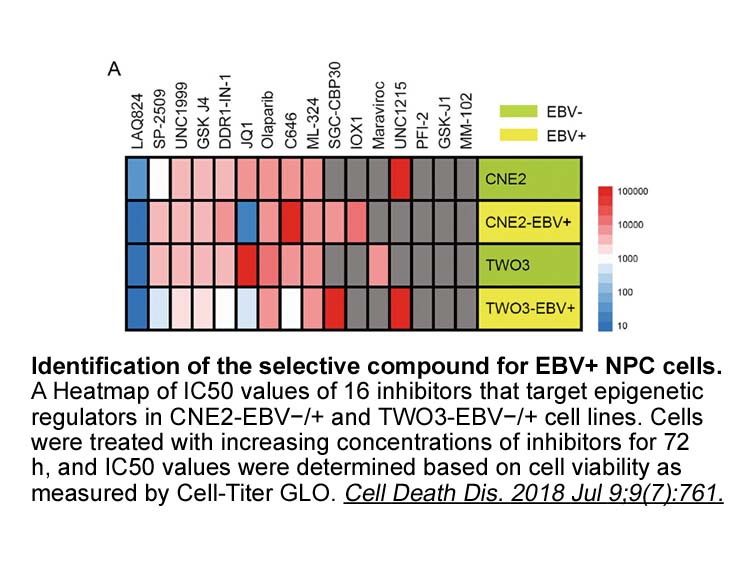
Mt2a, known to be upregulated by ozone (Inoue et al., 2008), was also increased in vehicle-pretreated rats exposed to ozone, however, this effect was markedly reduced by both PROP and MIFE, suggesting that the neuroendocrine response is linked to ozone-induced acute phase protein expression. In huma
-
Procainamide HCl br Acknowledgments br Introduction Within t
2023-07-28
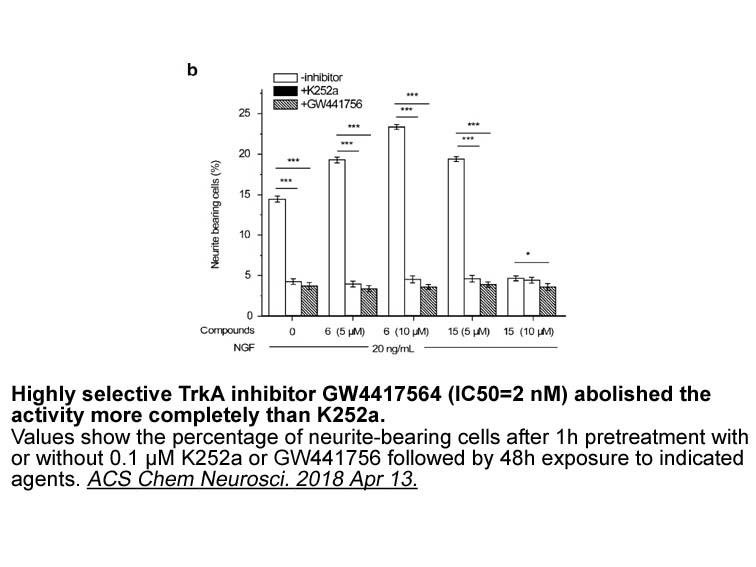
Acknowledgments Introduction Within the classical secretory pathway, transmembrane and soluble cargos travel via the endoplasmic reticulum (ER) and Golgi apparatus en route to their final destinations [1]. However, at a post-Golgi level, trafficking routes can diverge. In this context, the tra
-
Laminin 925-933 Curcumin is the principal natural polyphenol
2023-07-28
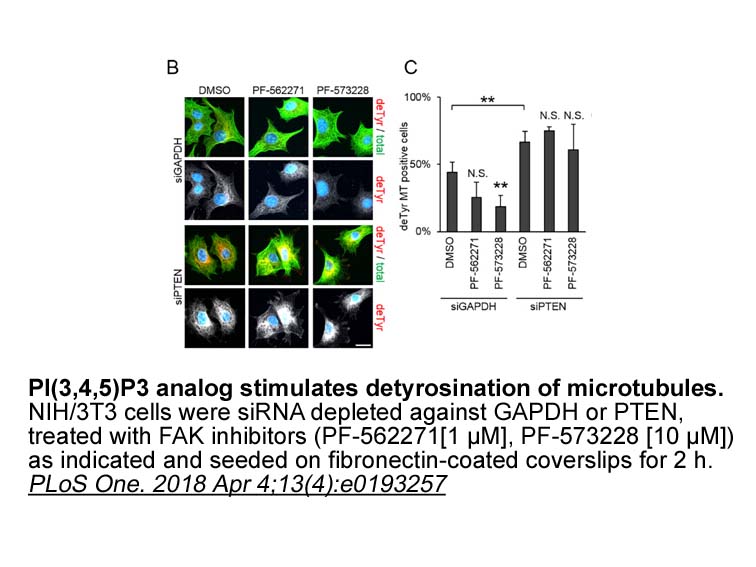
Curcumin is the principal natural polyphenol curcuminoid of turmeric (Curcuma longa) rhizome, a member of the ginger family (Zingiberaceae) [13]. Curcumin has a wide spectrum of therapeutic properties, and it has been shown to possess antioxidant, anti-inflammatory, anticancer, antiangiogenesis, che
-
br Conflicts of interest br Acknowledgments br Significance
2023-07-27
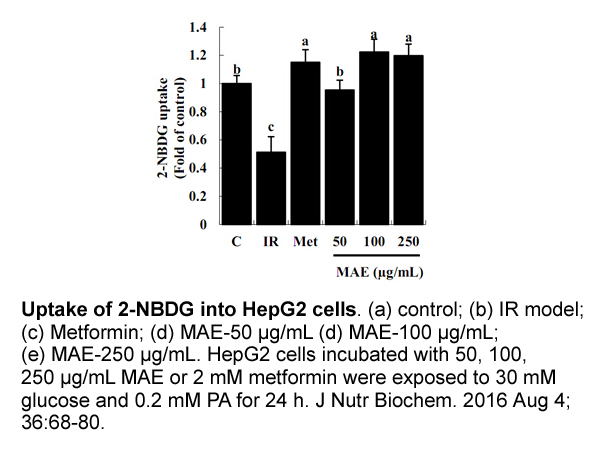
Conflicts of interest Acknowledgments Significance Introduction Androgen receptor (AR) plays a paramount role in the onset and progression of prostate cancer (PC) (Burnstein, 2005, Lonergan and Tindall, 2011, Watson et al., 2015). This very facet underlies androgen deprivation therapy (A
-
Our results using RT PCR confirm earlier findings
2023-07-27
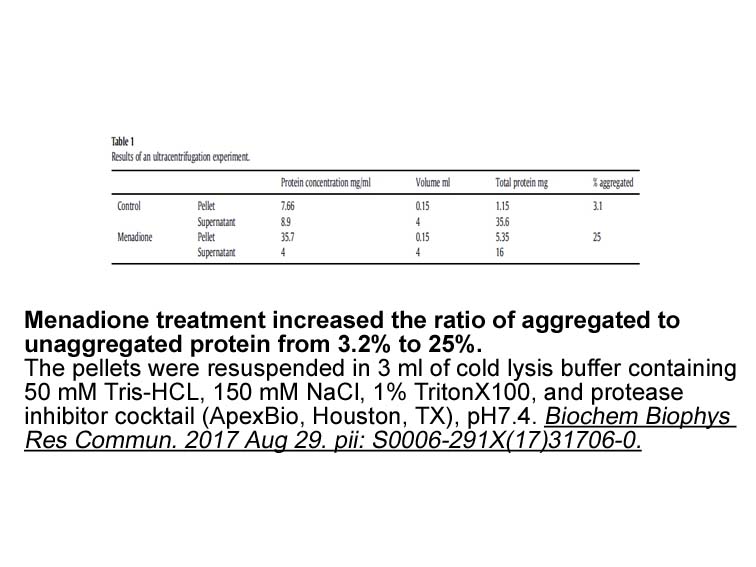
Our results using RT-PCR confirm earlier findings (Wilisch et al., 1999, Bruno et al., 2004) including the presence of both the P3A+ and P3A− isoforms of the α-subunit (Beeson et al., 1990). The lack of detection of the ε-subunit mRNAs in some thymomas, and lack of α-, β-, δ- and γ-subunit mRNAs by
-
It has been suggested that the
2023-07-27
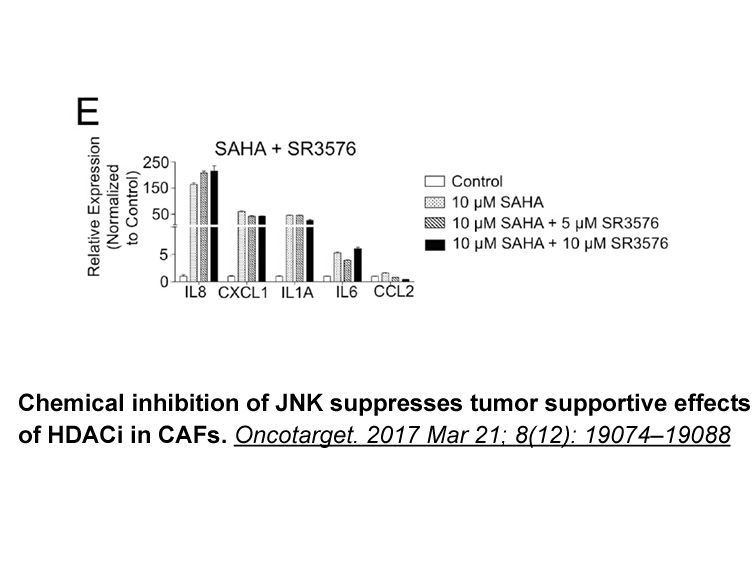
It has been suggested that the suppression of 5-LOX could promote apoptotic signaling pathways in cancers [6]. However, the role of 5-LOX in modulating apoptotic factors and neutrophil activation during ANP has not yet been evaluated. In this study, we aimed to evaluate the expression of 5-LOX in pa
-
Considering the physicochemical stability results on Fig it
2023-07-27
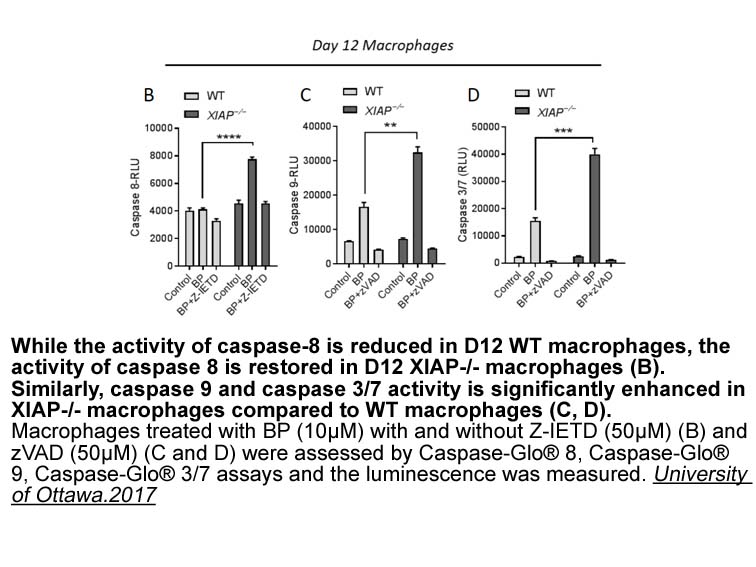
Considering the physicochemical stability results on Fig. 5, it was observed that the particles are stable when they are stored at 4 °C for 30 days. After day 30, a significant increase was observed in particle size, but at the end of the 90 days the SLN particle size is still below 100 nm. Stabilit
-
The srd a isoforms showed
2023-07-27
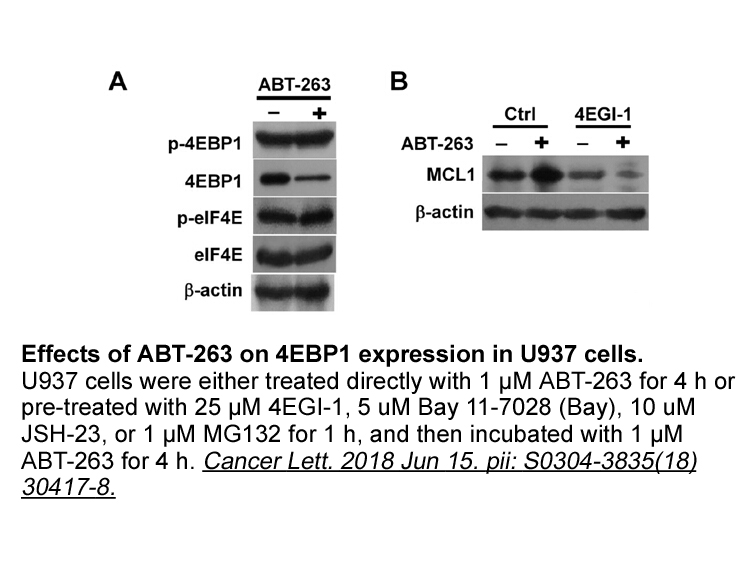
The srd5a isoforms showed unique expression profiles in early FHM development (Fig. 2). Similar to amphibian embryos, there was a high abundance of both srd5a1 and srd5a3 at 1dpf in FHMs, suggesting that mRNA for these enzymes may be maternally deposited and that these enzymes may play a key role in
-
Letermovir If the lack of specificity
2023-07-27
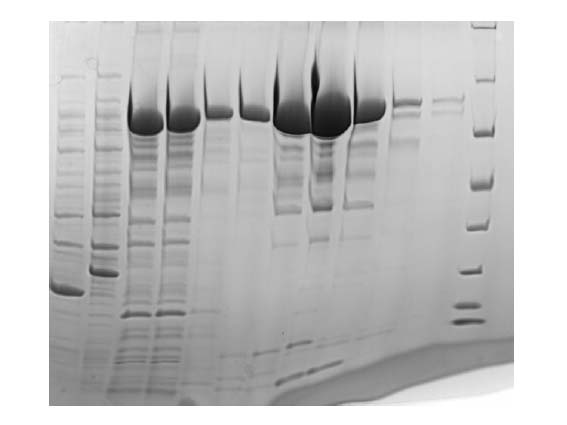
If the lack of specificity and the high pleiotropy may represent a problem in view of the potential chemotherapeutic features of autophagy-inducing agents, it Letermovir may switch into an advantage in the case of chemopreventive strategies. In fact, as non-pharmacologic interventions such as limite
-
In the current study we
2023-07-27

In the current study, we showed that known inhibitors of the F-ATPase and ionophores affect the growth of P. gingivalis and its plasma membrane ATPase, suggesting that the membrane ATPase can be a target for anti-periodontitis agents. We also identified stilbenoids that strongly inhibit the growth o
-
The co crystal structure of
2023-07-27
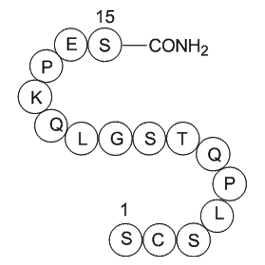
The co-crystal structure of ()-blebbistatin ()- bound to myosin II (PDB: ) was used to scout for possible favorable interactions with the residues lining the binding pocket. Looking at A, we hypothesized that -oriented hydrophilic moieties (e.g. hydroxymethyl) on C of the blebbistatin scaffold might
-
Illustrated in is the protocol we applied for the screens
2023-07-27
Illustrated in is the protocol we applied for the screens of novel furoic acids as ACL inhibitors. We constructed our furan carboxylate library that contained 1446 2-furoic ack1 inhibitors derivatives and 501 3-furoic acid derivatives by performing substructural searches of the ZINC database. We
8539 records 346/570 page Previous Next First page 上5页 346347348349350 下5页 Last page